Google Display Network
The Google Display Network (GDN) reaches 90% of Internet users worldwide, covering more than 3 million sites and more than 650,000 applications , including some of the world's most popular sites, such as Gmail and YouTube.
It gives you the ability to position your ads among the content of relevant websites and to present your brand and products to audiences that you define through many different targeting methods.
Google Display Ads are visual ads that can take various forms (static or animated images, text, videos) presented to Internet users while browsing online content on the Google Display Network.
180+
Ongoing Projects
130+
Current Clients
65+
Team Members
100
% human
What experience do we have in advertising on the Google Display Network?
Advertising on the Google Display Network is a key element of almost every campaign we plan for our customers. Over the years we have had over 1,500 GDN campaigns - each tailored to the specifics of the client's business, its goals and the chosen direction of communication. We trust this type of advertising when we want to introduce users to the brand and its products and services, as well as in the presence of special promotional conditions, when we aim to generate traffic to the client's site. There are many examples. A great opportunity in display advertising is the use of remarketing audiences, through which we can re-reach users who already know us. In this way we can further develop communication with them, moving them a step forward to the desired action.
specific examples
-

Speaking About HIV Without Fear: A National Anti-AIDS Campaign with Over 14 Million Impressions
Read more: Speaking About HIV Without Fear: A National Anti-AIDS Campaign with Over 14 Million ImpressionsIn this Case Study for the National Anti-AIDS campaign you will learn more about ➤ The assignment and key challenges ✅ Our approach: upgraded strategy and expanded channel mix ✅ Results + More
-

How ELEA Doubled its engagement and reached 1.2m+ users through digital Marketing
Read more: How ELEA Doubled its engagement and reached 1.2m+ users through digital MarketingIn this Case Study of our client Elea, you will learn more about ➤ What the assignment was ✅ What approach we chose ✅ The results we achieved ✚ More
-
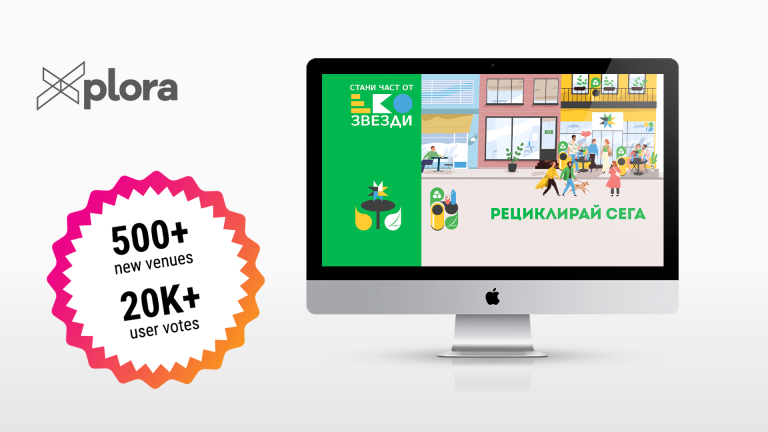
HOW ECOPACK ACTIVATED OVER 500 VENUES THROUGH THE ECOSTARS CAMPAIGN
Read more: HOW ECOPACK ACTIVATED OVER 500 VENUES THROUGH THE ECOSTARS CAMPAIGNIn this Case Study of our client ECOPACK, you'll learn more about ➤ The Assignment ✅ Our Chosen Approach ✅ The Results We Achieved ✚ More
-
HOW SAMEDAY ENHANCED ITS BRAND IMAGE THROUGH STRATEGIC VIDEO CONTENT
Read more: HOW SAMEDAY ENHANCED ITS BRAND IMAGE THROUGH STRATEGIC VIDEO CONTENTIn this Case Study for our client Sameday, you will learn more about ➤ What the assignment was ✅ The idea ✅ The approach ✅ The results we achieved ✚ More
-
Combining New Technologies in a Well-Known Black Friday Campaign
Read more: Combining New Technologies in a Well-Known Black Friday CampaignIn this Case Study of our client Photosynthesis, you will learn more about ➤ What was the assignment ✅ The steps we went through ✅ The results we achieved ✚ More
-
450% GROWTH IN ONLINE SALES THROUGH STRATEGIC PERFORMANCE MARKETING
Read more: 450% GROWTH IN ONLINE SALES THROUGH STRATEGIC PERFORMANCE MARKETINGIn this Case Study for our client KARE, you will learn more about ➤ The brief ✅ The steps we took ✅ The results we achieved ✚ More
-

Building a brand through engaging content: the successful Wash&Go Campaign
Read more: Building a brand through engaging content: the successful Wash&Go CampaignIn this Case Study of our client Wash&Go, you will learn more about ➤ What was the assignment ✅ What approach did we choose ✅ The results we achieved ✚ More
-
For Successful Marketing Campaigns that Start with Queen's
Read more: For Successful Marketing Campaigns that Start with Queen'sIn this Case Study of our client Queen's, you'll learn more about ➤ What the challenge was ✅ The steps we went through ✅ The results we achieved ✚ More
-
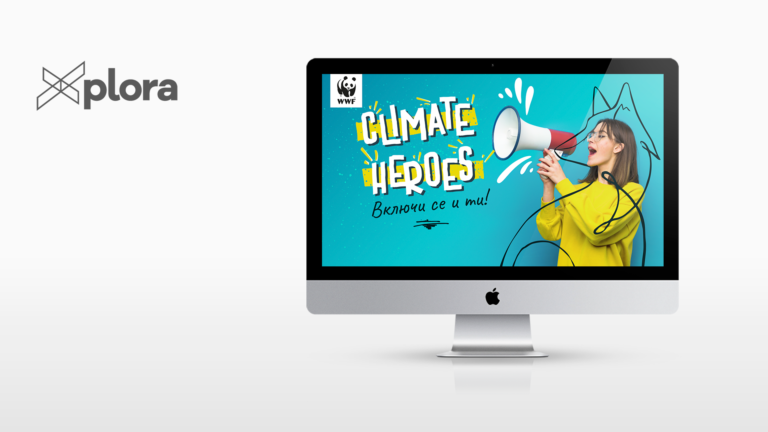
CAUSE-DRIVEN CAMPAIGNS: HOW WE MOTIVATED YOUNG PEOPLE TO BECOME “CLIMATE HEROES”
Read more: CAUSE-DRIVEN CAMPAIGNS: HOW WE MOTIVATED YOUNG PEOPLE TO BECOME “CLIMATE HEROES”In this Case Study of our client WWF, you'll learn more about ➤ What the assignment was ✅ The steps we went through ✅ The results we achieved ✚ More
Why Google Display Network Advertising?
Incorporating Google Display Network advertising into your marketing mix gives you the opportunity to expand your digital campaigns, promote your brand, and showcase the benefits of your products to relevant audiences. Through it you can move consumers from the point of acquaintance with your products and services forward on the funnel to purchase. Unlike Google Search advertising, display advertising also allows you to reach users who have not yet begun to actively search for solutions offered by you or your competitors.
What are the benefits of this type of advertising?

Scope
The Google Display Network is hard to beat. Including a number of popular global sites, as well as niche sites and hundreds of thousands of mobile applications, it allows you to reach many Internet users beyond social networks and search engines.

Formats
GDN allows you to create advertising content in various, visually attractive and adaptive advertising formats. A variety of formats allow you to use still images, animated ads, combine videos and text with images, and take advantage of Google's ability to select the best combination of resources for each ad position and user.

Targeting
By choosing to run a display campaign on Google, you have access to a number of targeting methods to segment users to target your ads to. These include demography, interest targeting, targeting users with a strong interest in purchasing specific products or services, using contextual targeting based on site content or targeting positions on specific sites, defining target users by using custom ) audiences, remarketing audiences or similar.

Comprehensive knowledge of your users
It’s important to note that when targeting your Google display campaigns, you benefit from Google’s multi-layered knowledge of your users, based on their behavior when browsing various sites and using applications, as well as video content that they watch on YouTube or search on Google.

Machine self-learning and Automation
Over the years, Google has placed an increasing focus on machine learning and making it a key part of Google Ads campaigns. Display advertising is not far behind in this regard. We can see a manifestation of this not only in the settings of campaigns and targeting, but also in the way of visualization and combination of advertising resources.

Efficiency
In GDN, you pay for specific actions taken by users (e.g., clicks / inquiries / purchases), not for impressions on your ads, as with some other display ad purchase methods.
What are the steps involved in advertising on the Google Display Network?

Analysis of the business, product, competitors, type of consumers who are current or potential customers

Getting acquainted with the specifics of the campaign and planning the upcoming communication (channels, formats, messages, steps)

Banner advertising design

Initial setup of campaigns

Analysis of results and optimization of campaigns

Preparation of reports for the presentation of advertising campaigns
The main types of advertising on the Google Display Network
The ad formats available to you when advertising on the Google Display Network are:

Static images
Banners of this type are a static vision, which should be in one of the sizes that the Google Ads system accepts. With them, you have complete control over how your ads are displayed, but they are subject to restrictions on where they can be displayed precisely because of the requirement for matches between their sizes and the free ad positions on the sites.
Animated banners
Like static images, animated banners should come in specific sizes, giving you complete control over how your ads look. Their advantage is the ability to combine more images and include more text, as they contain a series of images. Animating and changing frames makes them visually more attractive and noticeable to users.


Responsive or adaptive ads
Extremely interesting format in which the Google Ads system automatically combines the advertising assets you provide (texts, images, logos and videos). This type of advertising gives you access to a significantly larger number of ad positions, while allowing you to take advantage of machine self-learning capabilities to find the optimal combination of resources for the user, context and ad position.
Interesting ad formats related to more specific types of display campaigns include:
Smart Display
Adaptive ads are used again, but in addition to automatically created ads, you can also take advantage of automatic targeting and automatic bidding.


Dynamic remarketing
Ads containing products and services that users viewed while visiting your site.
Discovery Ads
Advertising format that can be set as a single image or in the form of a carousel of several visions. In both cases the images are combined with texts (title and description), logo, business name.